Families in Northwest Houston deal with a familiar crossroads when a mom or dad starts missing out on medications, avoiding meals, or getting turned around on roadways they once drove with self-confidence. The very same city that holds your history-- Friday football at Cy-Fair, peaceful mornings in Tomball, holiday traffic on 290-- can become a maze. The concern shifts from "Can Mom remain at home?" to "What type of senior care will assist her prosper?" The answer typically falls under 2 courses: assisted living and memory care. They share a foundation of support and security, however the daily experience, staffing knowledge, and physical environment vary in significant ways.
I have walked this decision with families more times than I can count, sometimes over coffee at a kitchen area table, other times during a rushed hospital discharge. What follows is a useful, Northwest Houston grounded guide that describes the distinctions, the compromises, the expenses, and the signals that help you select not simply a great neighborhood, but the right one for your enjoyed one.
What assisted living truly offers
Assisted living is built for older grownups who desire the ease of senior coping with a safety net for day-to-day tasks. House cleaning, meals, and social programs are the base. Caretakers supply assist with activities of everyday living-- bathing, dressing, grooming, medication suggestions-- and nurses supervise care strategies. The model assumes a resident who can make standard choices, take part in activities, and call for aid. In lots of Northwest Houston communities, citizens reside in studio or one-bedroom houses with private bathrooms and small kitchenettes. They bring their furniture, pictures, and the quilt that has actually seen decades of family holidays.
A normal morning in assisted living may appear like this. Your dad wakes to a soft knock and a caretaker who helps with compression socks and blood glucose checks. After breakfast, he joins a group heading out to a regional coffee shop on Jones Road or a veterans' group meeting. The nurse touches base about last night's sleep and collaborates with his cardiologist for a med change. He has independence with assistance integrated in, but the day is still his to shape.
Assisted living works best when the primary requirement is physical assistance, not continuous supervision. Residents might have mild lapse of memory, but they can follow a routine with minimal cueing. They take advantage of easy social connection, a smaller sized home to manage, and dependable aid only a button call away.
Where memory care differs
Memory care is a various ecosystem, created for individuals living with Alzheimer's disease or other kinds of dementia. The environment is simplified to minimize confusion-- clear wayfinding, purposeful lighting, contrasting colors for depth understanding, safe and secure courtyards-- and the day unfolds with more structure. Staffing ratios are tighter, with caretakers trained in redirection, de-escalation, and the nuances of dementia interaction. The objective is convenience, self-respect, and engagement tailored to a changing brain.
Business Name: BeeHive Homes Assisted LivingAddress: 16220 West Rd, Houston, TX 77095
Phone: (832) 906-6460
BeeHive Homes Assisted Living
BeeHive Homes Assisted Living of Cypress offers assisted living and memory care services in a warm, comfortable, and residential setting. Our care philosophy focuses on personalized support, safety, dignity, and building meaningful connections for each resident. Welcoming new residents from the Cypress and surround Houston TX community.
16220 West Rd, Houston, TX 77095
Business Hours
Monday thru Sunday: 7:00am - 7:00pm
Facebook: https://www.facebook.com/BeeHiveHomesCypress
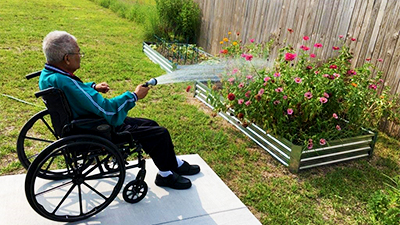
If assisted living is an apartment with a helpful concierge and nursing assistance, memory care is a smaller community where everybody understands memory loss and constructs the regular around it. A resident who attempts to leave the building at 2 a.m. will discover a calm caretaker who understands his story, where he used to work, and how to assist him toward a peaceful area and a cup of tea. Activities tap into long-held capabilities-- familiar hymns, folding towels, watering raised beds, little baking tasks that trigger odor and memory. The day follows a rhythm that helps in reducing sundowning and agitation.
Memory care isn't a "last option." Succeeded, it is a proactive choice that brings back safety and reduces the stress of constant alertness on families. Some communities in Northwest Houston operate dedicated memory care cottages, others offer protected wings. Either can work if the program is strong and the personnel stable.
Respite care as a low-risk trial
If you feel stuck, consider respite care. Lots of assisted living and memory care communities offer supplied stays from a couple of days to a couple of weeks. Families utilize respite care after health center stays, throughout caregiver travel, or simply to evaluate whether a community is the ideal fit. I have seen households find that a moms and dad who resisted moving actually lights up with brand-new regular and companionship. Respite also offers a real-world assessment: does Mom sleep much better with nighttime checks, does Dad consume more when meals are in a lively dining-room, do falls reduction when the shower has built-in support?
Respite can be particularly handy in Northwest Houston during cyclone season. A short-term stay guarantees backup power, meals, and personnel on site if storms knock out neighborhood infrastructure. Think of it as a safety valve and a chance to collect data, not a dedication to permanent change.
The essential differences at a glance
Here is the useful contrast many families request for, distilled to the everyday:
- Assisted living centers on assist with everyday living and health oversight, with a resident who can still choose and stay oriented in a common apartment or condo setting. Memory care is constructed around cognitive support, constant supervision, and an environment that anticipates confusion or wandering. Staffing in assisted living tends to be leaner, with caregivers covering bigger groups, while memory care generally designates less residents per caretaker and provides targeted dementia training. Activities in assisted living presume independent participation-- fitness classes, getaways, discussion groups-- while memory care utilizes smaller sized groups, sensory-based engagement, and short, foreseeable sessions. Safety features in assisted living concentrate on fall prevention, call systems, and routine checks. Memory care utilizes controlled gain access to, protected outside locations, and designs that limit overstimulation and exit-seeking. Costs in our location often vary by 15 to 35 percent, with memory care the higher financial investment due to staffing intensity and safe and secure design.
That last point is worthy of more detail.
What senior care costs in Northwest Houston
Pricing modifications by community, house size, and the level of care required. Broadly speaking, you can expect:
Assisted living: Regular monthly rates typically begin around the mid to high $3,000 s for a studio, with care charges layered on a point system. For citizens requiring moderate aid-- bathing numerous times a week, medication management, escorting to meals-- families frequently see totals in the $4,000 to $5,500 variety. Larger apartment or condos, greater care levels, and in-room dining or additional escorts contribute to the figure.
Memory care: Because of staffing and protected environments, month-to-month rates typically start around the mid $5,000 s and can range to the low $7,000 s, often higher for complex medical requirements. Some memory care programs use complete prices, others still use tiers or points.
Respite care: Per-day rates normally runs greater than the pro-rated month-to-month rate because it includes home furnishings and short-notice staffing. In Northwest Houston, households often pay between $175 and $275 each day, depending on care needs.
These figures move with market conditions, specials, and the specifics of each community. Always request for a composed breakdown: base rent, care level, medication administration fees, incontinence supplies, and any move-in deposit or neighborhood cost. Clearness upfront avoids expense shock later.
How to tell which course fits your parent
Families typically feel torn when a loved one resides in the fuzzy happy medium: not completely independent, not certainly in requirement of a secured memory program. The most beneficial questions lean on safety, insight, and trajectory.
Consider these 5 indications that memory care might be the safer option:
- Patterns of wandering, exit-seeking, or getting lost, especially if it has actually occurred more than once or consists of attempts at night. Limited insight into individual needs. For instance, a parent insists they took medications but regularly misses doses, or rejects a fall that clearly happened. Challenges with sequencing that disrupt everyday function, such as putting a remote in the freezer or trying to cook without turning on the stove correctly. Escalating behaviors that caretakers have a hard time to redirect in the house or in assisted living: agitation at sundown, suspicion of theft, fast mood swings. Nutrition and hygiene declining despite pointers, resulting in weight-loss, dehydration, or infections.
If none of these are present and your loved one engages well, follows cues, and takes pleasure in social programs, assisted living may be the better initial action. Some communities use bridges-- customized programs within assisted living for residents with mild cognitive problems. These can buy time and maintain autonomy without jumping to a fully protected environment, though they are not substitutes when security is at risk.
What a day can feel like: two vignettes
A Northwest Houston assisted living morning Mr. Valdez, retired from the oilfield, moved into assisted living off Louetta after too many falls in your home. He keeps a small apartment with his Astros caps and an old map of the Permian Basin on the wall. After breakfast, he joins chair yoga, then satisfies the chauffeur for a quick trip to the barber on Spring Cypress. A caregiver helps with his brand-new compression socks and checks his high blood pressure. He snoozes, enjoys the afternoon game in the community lounge, then FaceTimes with his child. His memory slips occasionally, however regular keeps him steady.
A Northwest Houston memory care afternoon Mrs. Nguyen, a former teacher who taught third grade in Cypress for 30 years, resides in a memory care cottage near her church. Early afternoons bring a music hour, where personnel play the 60s favorites she hums along to even on tough days. A caretaker guiding her through folding warm towels use muscle memory and pride. assisted living She roams towards the yard gate often, however the latch is inconspicuously protected. When she grows agitated near dusk, the personnel uses an image book from her classroom days, made by her boy. She unwinds, then joins a little group rolling dough for hand pies baked in the activity kitchen area, the scent filling the hallway.
These aren't remarkable stories. They are ordinary rhythms calibrated to each individual's requirements. That calibration is the difference you feel most in between assisted living and memory care.
Safety and design information that matter more than brochures
Walk any 2 communities in Northwest Houston and you will see what pictures flatten. In assisted living, try to find bathrooms with zero-threshold showers, tough grab bars, and room for a caretaker to help safely. Notice carpet edges and transitions that could capture a walker. Examine the height and lighting of call buttons, and verify personnel response times in the nights when activity is high.
In memory care, design does heavy lifting. Halls that loop reduce dead ends and agitation. Shadowboxes by doors assist citizens identify their rooms. Dining-room with minimal visual clutter assistance people focus on eating. Outdoor courtyards need to be really safe and secure, with smooth paths and shaded seating-- the summertime heat here is no joke. Ask about nighttime staffing, not simply day shift, due to the fact that lots of dementia behaviors magnify between 5 p.m. and 2 a.m.
Staffing: ratios, period, and training
You will hear staffing ratios tossed around, typically as marketing shorthand. Ratios matter less than three things: how steady the group is, how they are trained, and how the nurse covers the building.
Tenure tells you whether staff feel supported. When I see numerous caretakers who have been there 3 or more years, households tend to report smoother care. For training, ask how typically the team practices genuine circumstances: rerouting without arguing, handling aggressive outbursts, cueing for showering with dignity. In memory care, official dementia training at hire and continuous refreshers every couple of months are sensible expectations.
Nursing protection varies. Some assisted living buildings have an LVN or RN on site daily with on-call after-hours, others have nurses covering several sis websites. In memory care, I prefer a nurse physically present most days, with clear procedures for changes in condition and close relationships with hospice and home health firms. Emergency situations are rare, but when they take place, you desire a nurse who understands your parent.
Medical complexity: when health needs override setting preferences
Diabetes with regular blood glucose swings, oxygen needs, complicated wounds, or medications that require timing and monitoring can stretch assisted living. Some structures manage this well, particularly if they have strong relationships with going to nurses and physicians. Others prefer to keep medical intricacy low for security and consistency. Memory care programs typically handle moderate medical needs so long as the resident's behavior can be managed safely. Once requires intensify-- frequent two-person transfers, ventilators, or ongoing IV medications-- a competent nursing center may be the right level.
If your moms and dad is on the edge, ask the nurse to review the exact care jobs. Get specific: can you deal with insulin pens with moving scales, what about blood glucose checks three times daily, do you allow oxygen concentrators during the night, who changes a wound dressing and how frequently? Clear responses protect both dignity and safety.
Cultural fit, faith, and the convenience of familiarity
Northwest Houston is a patchwork of cultures and congregations. In senior care, that variety is a strength when it shows up in the dining room and activity calendar. Food matters. A kitchen that will prepare caldo de pollo the method your granny made it, or deal rice and fish on Lenten Fridays, earns commitment far beyond any marketing pledge. Look for multilingual staff if your parent is more comfortable in Spanish or Vietnamese. Ask about transport to familiar churches, synagogues, or mosques. If a community hosts on-site services or study groups, being in. The tone in the room tells you whether your moms and dad will feel at home.
Family roles after the move
Choosing senior care does not sideline household, it reallocates energy. Instead of costs psychological bandwidth on whether Mom fell throughout a solo shower, you get to hang out on the things that still light her up-- checking out image albums, gardening in the yard, or sitting quietly with a preferred book. Establish a rhythm: one member of the family gos to on Tuesdays, another calls the nurse every other Thursday for a quick update, a grandchild signs up with Saturday bingo twice a month. Consistency develops relationships with staff, which enhances interaction and responsiveness.
If your moms and dad moves into memory care, bring the life story into the building. A one-page picture with a photo, a couple of key tasks, favorite music, cherished people, and known triggers helps personnel connect. In a busy moment, that sheet advises a new caretaker that your dad was a mechanic who values useful humor and hates cold water on his face. Small insights prevent huge missteps.
Avoiding typical risks throughout tours
Three mistakes show up typically during the search procedure, and they are easy to sidestep if you name them early.
The initially is shopping only on aesthetic appeals. A gleaming chandelier does not change staffing ratios. Concentrate on whether homeowners look engaged, whether call lights call constantly, and whether personnel welcome individuals by name.
The second is attempting to time the relocation completely. Families typically wish to keep a moms and dad in the house "a little bit longer" and end up moving during a crisis. A planned relocation previously typically means much better change and fewer medical facility readmissions. Waiting till several emergency clinic gos to forces decisions under pressure.
The 3rd is overlooking the function of the executive director and nurse. Strong management makes everything else work much better. Inquire about their period, how they handle staffing scarcities, and memory care BeeHive Homes Assisted Living how they communicate when things fail. Everybody looks excellent on tour day; leadership reveals when the unanticipated happens.
The psychological side of moving
Even when the logic is clear, modification brings grief. I have sat with boys who felt like they were breaking a pledge to keep Dad in the house, and children who fought back tears while identifying photo frames for move-in day. It helps to call the emotion and honor what is being lost, which is often the concept of home as much as the place itself. Then look for what you are acquiring: trusted meals, a safe shower, friends within a hallway's walk, a team that knows how to manage sundowning at 6 p.m. in August when the heat has drained pipes everybody's patience.
Adjustment takes some time. In assisted living, the majority of residents settle within 2 to six weeks. In memory care, the very first ten days can be rough as regimens shift and the environment modifications. Remain in close contact with the nurse, interact what works at home, and give it a genuine chance before making a judgment.
Making the call when siblings disagree
Families rarely relocation in lockstep. One brother or sister may prefer assisted living as a gentle initial step, another pushes for memory care after seeing behaviors the others have actually not seen. When arguments stall action, bring in a neutral professional-- a geriatric care supervisor, social employee, or the medical care physician who has actually seen the progression. Request for concrete observations tied to safety: falls, medication adherence, wandering, weight modifications. Information soothes viewpoint. A respite stay can also work as the tie-breaker, providing everybody evidence from the very same setting.
What to ask on your next tour
Use this brief list to keep discussions focused during trips in Northwest Houston:
- How do you decide in between assisted living and memory care for a new resident, and what signs trigger a shift later? What is your night staffing, and how do you manage sundowning or nighttime agitation? How do your nurses interact modifications in condition to families, and how quickly? Can you share the tenure of your core care team and the executive director? Do you accept and support homeowners on hospice, and how do you coordinate with outside providers?
Five concerns, answered clearly, reveal the foundation of a community. You will hear confident, particular examples in strong structures, and unclear generalities in weaker ones.
When both can be right
Some seniors begin in assisted living and later transition to memory care within the very same school. That continuity assists. Familiar hallways, understood personnel, and a constant dining style soften the change. If you presume memory decline will advance, prefer neighborhoods with both options on website. If the budget is tight and the best memory care is throughout town from the best assisted living you can afford, consider the probability of moving once again within one to 2 years. A 2nd relocation is doable, however preparing for it lowers stress.
The pledge at the heart of senior living
Assisted living and memory care share an intention: to let older grownups live with as much independence, connection, and dignity as possible. The best setting returns what home sometimes can not after a certain point-- predictable meals, safe showers, friends to sit with after lunch, personnel who discover when something has shifted. The very best communities in Northwest Houston feel like communities, not facilities. You sense it in the easy small talk between residents and staff, the way the nurse kneels to eye level to talk, and the smell of lunch that in fact makes you hungry.
If you are weighing alternatives today, begin with an honest list of your moms and dad's needs and your household's capacity. Visit at odd hours, not simply at 10 a.m. Ask to see a care strategy template. Attempt a respite stay if you are on the fence. And keep in mind that this decision is not a decision, it is a plan you can revise as requirements change.
Senior care, at its best, supports the entire family. Assisted living, memory care, and respite care are tools, not locations. Pick the one that lets your loved one feel safe adequate to be themselves, which lets you return to being a son, child, or spouse more than a full-time caretaker. In a region as large and differed as Northwest Houston, that match is out there. The ideal door opens to a life that feels steadier, kinder, and more connected-- which is what this chapter deserves.
BeeHive Homes Assisted Living is an Assisted Living Facility
BeeHive Homes Assisted Living is an Assisted Living Home
BeeHive Homes Assisted Living is located in Cypress, Texas
BeeHive Homes Assisted Living is located Northwest Houston, Texas
BeeHive Homes Assisted Living offers Memory Care Services
BeeHive Homes Assisted Living offers Respite Care (short-term stays)
BeeHive Homes Assisted Living provides Private Bedrooms with Private Bathrooms for their senior residents
BeeHive Homes Assisted Living provides 24-Hour Staffing
BeeHive Homes Assisted Living serves Seniors needing Assistance with Activities of Daily Living
BeeHive Homes Assisted Living includes Home-Cooked Meals Dietitian-Approved
BeeHive Homes Assisted Living includes Daily Housekeeping & Laundry Services
BeeHive Homes Assisted Living features Private Garden and Green House
BeeHive Homes Assisted Living has a Hair/Nail Salon on-site
BeeHive Homes Assisted Living has a phone number of (832) 906-6460
BeeHive Homes Assisted Living has an address of 16220 West Road, Houston, TX 77095
BeeHive Homes Assisted Living has website https://beehivehomes.com/locations/cypress
BeeHive Homes Assisted Living has Google Maps listing https://maps.app.goo.gl/G6LUPpVYiH79GEtf8
BeeHive Homes Assisted Living has Facebook page https://www.facebook.com/BeeHiveHomesCypress
BeeHive Homes Assisted Living is part of the brand BeeHive Homes
BeeHive Homes Assisted Living focuses on Smaller, Home-Style Senior Residential Setting
BeeHive Homes Assisted Living has care philosophy of “The Next Best Place to Home”
BeeHive Homes Assisted Living has floorplan of 16 Private Bedrooms with ADA-Compliant Bathrooms
BeeHive Homes Assisted Living welcomes Families for Tours & Consultations
BeeHive Homes Assisted Living promotes Engaging Activities for Senior Residents
BeeHive Homes Assisted Living emphasizes Personalized Care Plans for each Resident
People Also Ask about BeeHive Homes Assisted Living
What services does BeeHive Homes of Cypress provide?
BeeHive Homes of Cypress provides a full range of assisted living and memory care services tailored to the needs of seniors. Residents receive help with daily activities such as bathing, dressing, grooming, medication management, and mobility support. The community also offers home-cooked meals, housekeeping, laundry services, and engaging daily activities designed to promote social interaction and cognitive stimulation. For individuals needing specialized support, the secure memory care environment provides additional safety and supervision.How is BeeHive Homes of Cypress different from larger assisted living facilities?
BeeHive Homes of Cypress stands out for its small-home model, offering a more intimate and personalized environment compared to larger assisted living facilities. With 16 residents, caregivers develop deeper relationships with each individual, leading to personalized attention and higher consistency of care. This residential setting feels more like a real home than a large institution, creating a warm, comfortable atmosphere that helps seniors feel safe, connected, and truly cared for.Does BeeHive Homes of Cypress offer private rooms?
Yes, BeeHive Homes of Cypress offers private bedrooms with private or ADA-accessible bathrooms for every resident. These rooms allow individuals to maintain dignity, independence, and personal comfort while still having 24-hour access to caregiver support. Private rooms help create a calmer environment, reduce stress for residents with memory challenges, and allow families to personalize the space with familiar belongings to create a “home-within-a-home” feeling.Where is BeeHive Homes Assisted Living located?
BeeHive Homes Assisted Living is conveniently located at 16220 West Road, Houston, TX 77095. You can easily find direction on Google Maps or visit their home during business hours, Monday through Sunday from 7am to 7pm.How can I contact BeeHive Assisted Living?
You can contact BeeHive Assisted Living by phone at: 832-906-6460, visit their website at https://beehivehomes.com/locations/cypress/,or connect on social media via Facebook
BeeHive Assisted Living is proud to be located in the greater Northwest Houston area, serving seniors in Cypress and all surrounding communities, including those living in Aberdeen Green, Copperfield Place, Copper Village, Copper Grove, Northglen, Satsuma, Mill Ridge North and other communities of Northwest Houston.