Families hardly jump their seek for senior dwelling with a neat tick list. More routinely, a daughter notices the expenses piling up at the kitchen counter. A husband realizes his companion has all started to wander at night time. A general care healthcare professional shows it is time to take a look at strategies beyond in‑residence guide. Assisted dwelling and memory care sound equivalent from the outdoor, but they serve the different wishes, hold exclusive expenses, and really feel the different everyday. Knowing the big difference saves time, dollars, and emotional wear.
I even have walked these hallways with households for years. I even have led excursions the place a resident with mild forgetfulness thrived seeing that he had help organizing drugs and rides to the barber. I even have also watched a happy woman with midsection‑degree dementia end up fearful in an assisted living rental, then settle beautifully once she moved right into a really expert reminiscence care nearby. The putting subjects as plenty because the functions.
What assisted residing essentially provides
Assisted living is designed for older adults who are pretty much unbiased but want assist with a few day-by-day initiatives. Think of duties like dressing, bathing competently, handling medicines, and getting to meals. The function is to increase independence with a toughen internet. Residents have inner most or semi‑exclusive apartments, their very own furniture, and freedom to come and pass. Staff provide scheduled counsel, with further support attainable when essential.
Under the hood, kingdom guidelines set the surface for what assisted residing can and should not do. In many states, assisted living communities can support with medicines, insulin injections, and oxygen, yet they shouldn't grant 24‑hour nursing or arrange elaborate clinical instruments like feeding tubes. Staffing normally comprises caregivers and cure aides around the clock, plus a nurse on website or on name, on the whole in the time of daytime hours. That works good for someone secure and predictable, for example a person with managed diabetes and arthritis who wishes reminders and a risk-free ecosystem.
Services in assisted dwelling tend to revolve round exclusive care and way of life. A accepted day might encompass a scorching breakfast inside the eating room, a steadiness classification, a journey to a scientific appointment, and assist with a bath within the afternoon. There could be a calendar of programs, from movie nights to art workshops. Many groups contain faded house responsibilities and laundry weekly, Wi‑Fi, typical preservation, and transportation within a radius.
Assisted living shines whilst elders desire option and privateness with a security net nearby. It struggles whilst a resident wishes finished habit improve because of the dementia, requires non-stop cueing for each challenge, or will become risky with no fixed oversight. This is where reminiscence care differs.
What reminiscence care is outfitted to handle
Memory care is a really good type of assisted living for other people with Alzheimer’s infirmity and appropriate dementias. It appears an identical on brochures yet feels distinct in exercise. The doorways are secured to evade dangerous elopement, the ground plans reduce useless ends and long hallways, and the lighting is softer and extra consistent to limit sundowning agitation. Staff are informed no longer basically to aid with bathing and dressing, but to interpret behavior as communication.
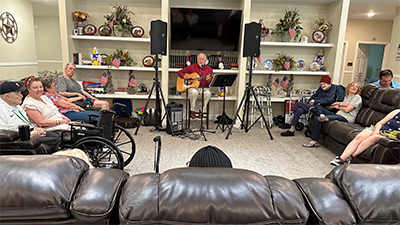
In reminiscence care, the rhythm of the day is structured. Activities are shorter, greater repetitive, and multi‑sensory. You will see track therapy, fundamental kitchen tasks like stirring muffin batter, rummage bins to meet the desire to variety, and on foot golf equipment internal a loop corridor. Meals arrive with greater prompts, and utensils is also tailored. The workers‑to‑resident ratios are most often tighter than in accepted assisted dwelling. While numbers differ, many memory care programs schedule more or less one caregiver for every five to eight citizens all the way through the day, with a nurse overseeing tests and care plans. The factor isn't always just security; it's engagement that matches cognitive ability.
Clinical make stronger can also be formed around dementia. Memory care teams reveal pain otherwise, on the grounds that of us with developed memory loss would possibly not describe affliction in actual fact. They manage sleep‑wake disruptions, repetitive questions, resistance to care, and the occasional combative episode with guidance in redirection and validation. Families most likely file fewer 911 calls for falls or habit as soon as a cherished one settles into an amazing reminiscence care program.

The trade‑off is flexibility. In reminiscence care, you will uncover much less spontaneous independence. Visits are common and welcome, but schedules and expectancies are more consistent for the institution. For somebody with core‑degree Alzheimer’s who attempts to move outdoor in pajamas, that format is a aid. For somebody with in basic terms light forgetfulness, it is going to believe restrictive.
The boundary between the two shouldn't be a unmarried line
Families broadly speaking ask, that's the appropriate suit immediately, and how can we realize whilst to replace? I study 5 useful markers.
First, security devoid of one‑to‑one oversight. If someone forgets a microwave burrito till the smoke alarm blares, assisted dwelling can assistance with foods and oversight. If that individual tries to exploit the stove at 3 a.m., normally leaves the building, or wanders into different residences, the secured, supervised ecosystem of reminiscence care prevents crises.
Second, frequency of cueing. Occasional prompts for medical care or foods healthy assisted residing. Constant cueing for each and every step of bathing or dressing, or the inability to series tasks inspite of reminders, probably elements in the direction of memory care.
Third, habits that stems from dementia. Examples consist of sundowning agitation, delusions that bring about concern and exit trying, disrobing, or rummaging due to other residents’ assets. Assisted living groups can control slight behaviors, however sustained styles require dementia‑one-of-a-kind preparation and staffing.
Fourth, conversation and suffering expression. When language fades and wishes prove up as pacing, shouting, or resisting care, memory care personnel are stronger able to interpret and respond.
Fifth, have an impact on on others. Assisted living communities stability unique necessities with group team spirit. If one resident’s behaviors over and over disrupt eating rooms or activities despite interventions, a go to memory care serves each the someone and the network.
These will not be arduous suggestions. I even have noticeable residents with mild dementia flourish in assisted residing for years due to the fact that they'd robust social potential and predictable exercises. I actually have additionally moved an individual to reminiscence care after two weeks in assisted dwelling because the ecosystem induced concern at night and her go out in quest of escalated.
Cost, contracts, and what the numbers quite mean
Sticker expenses differ with the aid of quarter, construction age, and amenities, however specific styles cling. Assisted residing routinely expenditures a base employ for the rental and ingredients, then layers in a care value elegant on an overview. That payment can variety significantly depending on the extent of aid, with will increase when wants develop. Memory care is generally all‑inclusive within a tier, or it bundles greater care right into a flat price as a result of each person wants common cueing and supervision. When households compare month to month, memory care oftentimes fees extra than assisted dwelling in the similar community, every now and then by using 10 to 25 percentage, even though in locations with prime hard work charges the distance can also be bigger.
Budget for more than rent. Pharmacy packaging for medicines, incontinence gives, escorts to outdoor appointments, and cable TV upload up. Ask how the network handles charge will increase. A widespread pattern is an annual building up of 3 to eight percentage, plus speedy raises if care wants start, to illustrate after a hospitalization. Also ask about be aware intervals and deposit terms so you will not be surprised if a flow becomes important.
Long‑time period care insurance regularly reimburses the two assisted dwelling and reminiscence care if the policy standards are met, many times an incapability to perform two or greater actions of day-after-day residing or a cognitive impairment requiring considerable supervision. Medicaid coverage exists in lots of states as a result of waiver courses, but get admission to is dependent on nation laws and waitlists. Veterans’ merits can support eligible men and women, even though software timelines should be months.
Staffing, credentials, and what to ask on a tour
Titles on a staffing board do no longer tell the total story. You want to realize who's in the constructing and while. In assisted living, look for caregivers on both shift, a medication technician if allowed by way of the state, and a nurse who oversees tests, care plans, and practise. In reminiscence care, probe deeper into exercise hours special to dementia, along with non‑pharmacologic behavior options and de‑escalation.
Good questions about a excursion show how a spot features beneath strain. How does the workforce address a resident who refuses a bath? What is the plan if an individual tries to leave at nighttime? When do they call 911, and when do they manipulate in area? Ask for a factual illustration from the last month. You be taught far greater from a story than from a policy binder.
Watch meal service. In assisted residing, residents in many instances order from a menu and obtain delicate reminders. In memory care, group may want to look ahead to desires with out rushing, place plates inside of mild reach, and supply hand‑over‑hand assistance handiest with permission and sensitivity. Look for adaptive utensils and finger ingredients achievable for folks who speed and like to graze.
Pay awareness to noise levels and smells. Memory care will have to now not smell like bleach or strongly perfumed cleaners, that could agitate residents. The optimum methods use calm voices, time-honored tune, and pure pale styles to enhance circadian rhythms. If you see crew crouch to eye stage, use first names respectfully, and smile with their eyes, it most of the time reflects deeper instructions.
The position of respite care
Not each and every selection desires to be everlasting. Respite care, a short stay in assisted dwelling or reminiscence care, can bridge a tough stretch. Families use respite when a caregiver necessities a surgical procedure, at some point of a warmth wave that makes home damaging, or after a health center discharge whilst stamina is low. A everyday respite stay runs from per week to a month, supplied condo, foods, and care protected.
Respite care is fantastic as a check drive. If you are torn between assisted residing and memory care, manage a two‑week keep in the surroundings you believe is just right, with the choice to pivot if team of workers discover security disorders. In my journey, a brief keep unearths greater than any evaluate. I as soon as admitted a retired instructor to assisted living for respite after a fall. On day three, she wandered into another resident’s room at night, at a loss for words and apologetic. We moved her to memory care the subsequent morning, where she settled right into a events with a small on foot neighborhood and a nightly tea ritual. Her daughter later reported the quick detour saved them months of hysteria.
Respite slots fill speedy, highly round holidays and summer season, so ask early. Clarify pricing, as on a daily basis premiums for respite are continuously higher than the prorated per month hire, and insurance coverage infrequently covers quick remains except tied to a educated nursing get advantages.
Medical complexity and grey zones
A individual with dementia might also have Parkinson’s sickness, coronary heart failure, or power kidney affliction. The greater tricky the scientific image, the extra you desire to map out who does what. Assisted residing can control sturdy oxygen, fundamental wound care, and blood sugar exams, broadly speaking with the give a boost to of vacationing domestic well-being companies. Memory care can do the similar, layered with dementia enhance. For complicated desires like two‑individual transfers all day, frequent suctioning, or IV medicinal drugs, you can still need a skilled nursing facility.
A widely wide-spread gray region is the resident with slight dementia who will become delirious within the medical institution, then returns burdened and agitated. If the delirium resolves inside weeks, assisted residing can still paintings. If confusion persists and nights continue to be chaotic, moving to memory care prevents a cycle of falls and readmissions. Another gray region emerges with late‑stage Alzheimer’s when an individual becomes bedbound and non‑verbal. Many memory care courses can fortify this stage with hospice, that specialize in comfort. Do not think you will have to transfer to a nursing homestead unless the community says they are not able to meet the needs safely.
Daily existence differences you can feel
Set apart the brochures and assume a Tuesday. In assisted dwelling, residents head to the eating room on their possess or with reminders. The morning training category positive factors more verbal training and swift‑paced tune. The artwork neighborhood runs an hour, with citizens choosing gives you and chatting about grandkids. Apartment doorways dwell open for housework, and the hallway site visitors is pleasant yet fluid.
In memory care, team of workers begin with mushy wake‑americaand step‑through‑step cueing. Breakfast unfolds with activates at the desk and substitutions competent for those that decide on oatmeal over eggs. Mid‑morning brings a quick track consultation with tambourines, then a stroll alongside the loop with handrails for help. Activities last 20 to half-hour to healthy cognizance spans. The setting absorbs noise instead of echoing it, and team redirect early when a resident starts offevolved to fixate on leaving. After lunch, a quiet hour helps decrease past due‑day agitation.
Families notice the emotional local weather. When reminiscence care is completed smartly, there may be a experience of calm intent. People are not idle; they may be engaged at their stage. When assisted dwelling is an effective in shape, there is extra spontaneity, associates knocking on doors to ask every single other to poker or espresso, and team of workers dropping in for fast payment‑ins as opposed to steady presence.
How to settle on while your beloved is in between
Rarely does a cognitive try score by myself settle the question. Look at patterns over the last 60 to ninety days. Did the one you love soar wandering, or was that a unmarried episode throughout a urinary tract inflammation? Are nutrients going uneaten by way of forgetfulness, or due to the fact he dislikes the food strategies? Is the issue daytime boredom, which assisted living can resolve, or nighttime confusion, which reminiscence care manages more beneficial?
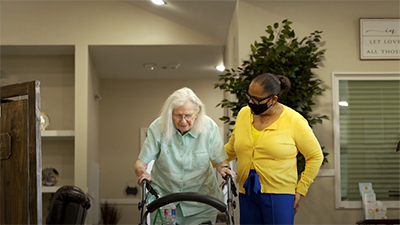
Involve the simple care clinician, but do not forestall there. Ask for a simple review from an occupational therapist if you can. Their input on sequencing, safe practices knowledge, and skill to apply adaptive approaches is gold. If your beloved one at present has a dwelling house care aide, ask that worker for frank observations. They see the moments families miss.
Also recollect personality. Some folk, lifelong joiners and extroverts, do fantastically in assisted residing in spite of average reminiscence topics, due to the fact they thrive on social cues. Others, quite people that turn out to be actual overwhelmed, may just really feel safer inside memory care’s smaller, extra predictable setting.
Transition devoid of trauma
Moves are complicated. A few reasonable steps melt the touchdown. For assisted residing, carry widely wide-spread furnishings and dangle portraits on day one. Label apparel and organize a realistic bedside basket with hearing aids, glasses, and the remote. For memory care, simplify the room. Fewer pieces curb confusion. Choose a bedspread in a stable, calming color. Place a good sized clock and a whiteboard with the day’s anchor movements, as an illustration, “Breakfast with Susan, walk with Tom, widespread music after lunch.”
Coordinate with workforce. Share a one‑page lifestyles tale with two or 3 trendy subject matters, cuisine dislikes, basic sleep styles, and triggers to avoid. A remarkable team makes use of this to tailor care. During the 1st week, discuss with at time-honored times and keep visits short if your beloved one becomes tired. Expect an adjustment duration of two to 6 weeks. If the match nonetheless feels off after that, talk up. Sometimes a room flow in the direction of the interest space, or a replace in routine, makes the change.
The language at the settlement and a way to learn it
Lease agreements can experience dense. Focus on 3 sections: the scope of services, the criteria for switch or discharge, and the process for care plan adjustments. In assisted residing, seek for language about when the neighborhood will recommend reminiscence care. Triggers oftentimes embody time-honored wandering, refusal of useful care, or aggressive behaviors. In reminiscence care, ask whether or not the network can aid hospice and what occurs if wants exceed their license.
Care plans must always be dwelling information. Meet with the nurse or care supervisor inside of two weeks of cross‑in to review what's working and what isn't very. Confirm medicine administration occasions, bathe days, and who will coordinate open air appointments. If the one that https://beehivehomes.com/locations/cypress/ you love goes to an off‑web page neurologist or psychiatrist, deliver these notes to the care team. Alignment prevents duplication and therapy error.
A quick, truthful contrast to stay handy
When you strip away the marketing gloss, the big difference is inconspicuous. Assisted residing helps independence with as‑vital support, desirable to individuals who are frequently riskless with no fixed supervision. Memory care promises a secure environment, continuous cueing, and team of workers informed for dementia behaviors, proper to individuals who are dangerous or distressed with no that structure.
A family members I labored with framed it effectively. Their father, a retired engineer with early‑degree Alzheimer’s, toured the two. He checked out the assisted living woodshop and smiled for the first time that day. He spent two years there, constructing birdhouses with pals and attending trivia nights. When he began leaving his apartment at 2 a.m. are looking for his long‑gone garage, he moved to memory care in the related group. The body of workers manage a small workbench with sandpaper and gentle woods. He stopped looking to leave at evening, and his daughter slept once more.
When to revisit the decision
Needs modification. Reassess after hospitalizations, remarkable therapy differences, or major behavioral shifts. If you might be in assisted residing and the workforce begins documenting wide-spread wandering, refusals that compromise hygiene, or repeated hazardous hobbies, it's time to have in mind reminiscence care. If you might be in memory care and your beloved one regains stability after an contamination, ask whether a less restrictive surroundings may just work. Some groups permit step‑downs, nevertheless most individuals go alongside the other route over time.
Keep respite care to your to come back pocket. It remains a bendy tool for brief‑term policy cover, for trialing a new environment, or for giving the home caregiver a true destroy. Even a effectively‑supported family members can burn out. Short remains can forestall lengthy‑term crises.
Final techniques from the field
No unmarried choice defines a family’s love or a person’s dignity. The superior alternative aligns ambiance with wants, budgets with certainty, and routines with personality. Assisted residing lets many older adults shop their rhythm with the correct amount of help. Memory care supplies defense and serenity while reminiscence loss shifts the ground under anyone’s toes. If you're undecided, excursion either, ask tough questions, and watch how body of workers deal with citizens while not anyone is looking. The information you realize in those small moments will assist you stronger than any brochure.
Below is a elementary checklist which you could hold at the refrigerator when you weigh treatments.
- If safe practices requires secured doorways or non-stop cueing, lean closer to reminiscence care. If help is wished generally for scheduled obligations and reminders, assisted living fits. If behaviors tied to dementia disrupt nutrients, sleep, or acquaintances, reminiscence care workers are knowledgeable for it. If social engagement and independence are nevertheless amazing, assisted dwelling supplies more flexibility. If your gut says “I are not able to sleep as a result of I be concerned about wandering,” memory care delivers aid. If the fear is ignored capsules and isolation, assisted dwelling solves these. If budget are tight, evaluate whole per 30 days rates, not just base hire. Ask about phases of care, upload‑ons, and most probably will increase. If you are nonetheless on the fence, ebook respite care within the putting that turns out precise, then re-evaluate with the team after one to two weeks.
The road is rarely directly. Make the next major determination, then watch, concentrate, and modify. With the suitable tournament, older adults do no longer just live reliable, they rediscover parts of themselves that regimen and give a boost to make one can.
BeeHive Homes Assisted Living
Address: 16220 West Rd, Houston, TX 77095
Phone: (832) 906-6460